In the rapidly evolving landscape of construction, the demand for infrastructure consulting firms in South India has grown significantly. These firms play an instrumental role in ensuring that construction projects, ranging from residential buildings to large-scale infrastructure, are executed efficiently, safely, and within budget.
The construction of metro rail projects and other public infrastructure is particularly complex, requiring detailed planning, specialized knowledge, and precise execution. The geotechnical investigation for the Chennai Metro Rail project stands as a prime example of the intricate work involved. Additionally, areas like Salem in Tamil Nadu benefit from material testing laboratories that ensure the quality and safety of the materials used in construction projects.
In this blog, we will explore the vital role that infrastructure consulting firms and geotechnical investigations play in the development of large infrastructure projects. We will also highlight how material testing laboratories in areas like Salem district, Tamil Nadu, ensure that materials meet the required standards for safe and durable construction.
The Importance of Infrastructure Consulting Firms in South India
The construction industry in South India, especially in cities like Chennai, Bengaluru, and Kochi, is thriving due to a rapid increase in urbanization and infrastructure projects. As these cities continue to expand, the demand for infrastructure consulting firms has increased to support the growing need for large-scale development projects.
Infrastructure consulting firms offer expertise in several key areas of construction, including:
- Project Planning and Feasibility: Consulting firms provide comprehensive analysis to assess the feasibility of construction projects. They evaluate site conditions, local regulations, environmental impact, and design possibilities to ensure that the project can be completed successfully.
- Design and Engineering: Consultants work closely with engineers and architects to create efficient, cost-effective designs for structures, roads, bridges, and metro systems. Their role includes ensuring that designs meet safety standards and comply with local laws.
- Project Management: Effective project management is crucial for staying on schedule and within budget. Infrastructure consulting firms provide project oversight to make sure that tasks are completed on time and that resources are used effectively.
- Regulatory Compliance and Safety: With constant changes in building codes and safety regulations, consultants help ensure that all aspects of the project comply with the latest legal requirements. They also implement safety protocols to minimize risks during construction.
In cities like Chennai, where large-scale infrastructure projects such as the Chennai Metro Rail project are taking place, infrastructure consulting firms play an integral part in delivering quality results while managing costs and timelines effectively.
Geotechnical Investigation in the Chennai Metro Rail Project
The Chennai Metro Rail project is one of the largest urban infrastructure developments in South India. It involves the construction of an extensive metro network to address the growing demand for public transportation in the city. A project of this scale requires meticulous planning, and one of the most critical aspects is the geotechnical investigation of the land on which the infrastructure will be built.
A geotechnical investigation involves studying the soil, rock, and groundwater conditions at a construction site to determine whether the ground can support the planned structure. This process helps identify potential risks, such as unstable soil or high groundwater levels, which could affect the stability and safety of the structure.
For the Chennai Metro Rail project, geotechnical engineers conducted detailed studies of the soil and sub-surface conditions across different parts of the city. These studies included tests such as:
- Soil Bearing Capacity Tests: To assess the ability of the soil to support heavy structures like metro rail stations and tunnels.
- Drilling and Sampling: Core samples of the soil were taken from various depths to analyze the composition, moisture content, and compactness of the soil.
- Groundwater Flow Analysis: Engineers examined the flow of groundwater to determine the potential for flooding and erosion during construction.
- Seismic Testing: Given Chennai’s seismic activity, investigations also focused on how the ground would behave during earthquakes.
The findings from these investigations helped shape the design and foundation of the Chennai Metro Rail system, ensuring that the project is structurally sound and capable of withstanding the challenges posed by the local soil conditions.
Material Testing Laboratories in Salem District, Tamil Nadu
For any construction project, it is essential to use high-quality materials that meet industry standards. Whether you are building a residential complex, a commercial building, or a metro system, the materials used in construction play a pivotal role in ensuring the structure’s longevity and safety. This is where material testing laboratories come into play.
In Salem district, Tamil Nadu, material testing laboratories are integral to the success of construction projects. These laboratories test various materials used in construction, including concrete, steel, aggregates, and soil, to ensure they meet the required specifications for strength, durability, and performance.
Some common tests conducted at material testing laboratories include:
- Concrete Testing: Concrete is one of the most commonly used materials in construction. Testing concrete involves checking its strength, workability, and composition. Laboratories test the compressive strength of concrete samples and assess its resistance to freezing, thawing, and abrasion.
- Steel Testing: Steel is the backbone of most construction projects, and it is vital to ensure that it meets the required tensile strength and durability. Steel bars are tested for elongation, yield strength, and ultimate tensile strength.
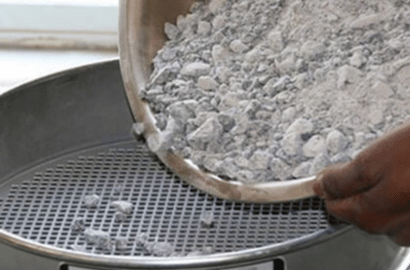
- Aggregate Testing: Aggregates, such as sand and gravel, are essential components of concrete and other construction materials. Tests are conducted to ensure that aggregates have the proper size, shape, and strength to meet construction requirements.
- Soil Testing: As discussed earlier, soil testing is crucial for determining the suitability of the ground for construction. It helps evaluate the soil’s compaction, bearing capacity, and drainage properties.
In Salem district, material testing laboratories help construction firms ensure that the materials they use are reliable and conform to safety standards. This is particularly important for large-scale infrastructure projects that demand the highest levels of quality control.
Geophysical Survey for Infrastructure Projects in India
In addition to geotechnical investigations and material testing, geophysical surveys play a crucial role in ensuring the success of large infrastructure projects. These surveys help engineers understand the sub-surface conditions without the need for invasive drilling or digging.
Geophysical surveys are especially important in projects involving tunnels, bridges, and roads, as they provide valuable information about the stability of the ground. In India, where large infrastructure projects are rapidly expanding, geophysical surveys are helping to reduce risks and optimize designs.
Some common geophysical techniques used in infrastructure projects include:
- Seismic Refraction and Reflection: These methods help determine the depth of bedrock and identify areas of potential weakness or instability.
- Ground Penetrating Radar (GPR): GPR is used to detect voids, cracks, and underground utilities that could pose a risk to construction.
- Electrical Resistivity: This technique is used to map soil and rock properties by measuring their resistance to electrical currents.
By conducting geophysical surveys, engineers can identify potential challenges before construction begins, which allows them to adjust their designs and reduce costs. These surveys also help to ensure the safety and long-term stability of infrastructure projects.
Why Choose MPAC for Your Construction Consulting and Testing Needs?
If you are planning a large-scale construction project, choosing the right consulting and testing services is essential. MPAC is one of the leading infrastructure consulting firms in South India. We specialize in geotechnical investigation and material testing services for a wide range of infrastructure projects, including metro rail systems, highways, and commercial buildings.
Our team of experts provides:
- Geotechnical investigation: Our engineers conduct detailed site assessments to ensure that the ground is suitable for construction and recommend solutions to mitigate any risks.
- Material testing: We offer comprehensive testing services for concrete, steel, soil, and aggregates, ensuring that your construction materials meet the highest safety and quality standards.
- Geophysical surveys: We use advanced techniques to provide valuable insights into the sub-surface conditions of your project site, helping you make informed decisions.
At MPAC, we are committed to delivering high-quality consulting and testing services that ensure the success of your construction project. Our experience, expertise, and dedication to excellence make us the trusted choice for infrastructure projects across India.
Conclusion
Construction projects in South India require careful planning, rigorous testing, and expert consulting to ensure they are safe, stable, and long-lasting. From geotechnical investigations for metro rail systems to material testing in Salem, Tamil Nadu, every step plays a vital role in the success of a project. By partnering with trusted infrastructure consulting firms like MPAC, you can ensure that your construction projects are built on a solid foundation, both literally and figuratively.
Whether it’s conducting geophysical surveys for infrastructure projects or ensuring the quality of materials used, MPAC provides the expertise and services you need for a successful and safe construction process.